

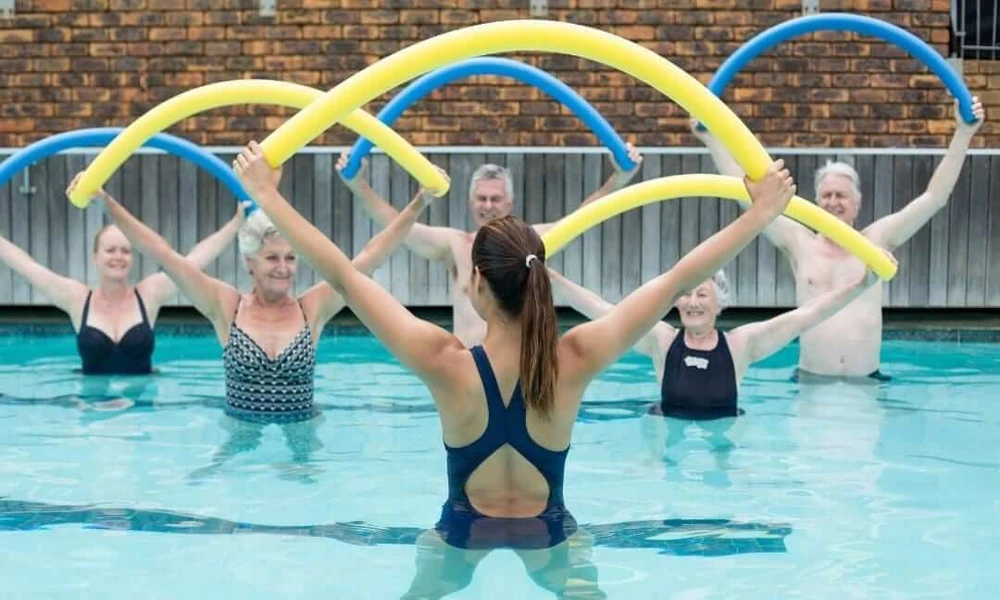
Diving into a pool rarely feels like hard work, yet aquatic exercise can unlock surprising health benefits that traditional workouts on dry land simply cannot match. As people look for ways to keep fitness routines fresh and joint-friendly, water-based workouts are making waves as the ultimate complement to any program.
Why Aquatic Exercise Complements Traditional Fitness Programs
There is something uniquely powerful about the resistance and support water provides. Unlike running or lifting weights, every movement in a pool is cushioned, dramatically reducing impact on joints while adding constant resistance. This makes aquatic exercise appealing for all ages and fitness levels, especially for those managing injuries or looking to prevent them.
Water-based workouts boost cardiovascular fitness, support weight loss, and improve mobility. Even seasoned athletes notice stronger core engagement and increased stamina when training in water. The buoyancy reduces strain, encouraging longer and more frequent sessions without risk of overuse.
Comparing aquatic exercise to land-based training reveals distinctive advantages. On land, gravity rules, which is great for bone density but tough on aging bodies or those with limited mobility. In the water, it’s possible to challenge muscles intensely with a fraction of the soreness afterward.
Case Study: West-End Cavendish Gym’s Integration of Aquatic Fitness
Montrealers searching for top-tier aquatic facilities need look no further than West-End Cavendish Gym. Here, members enjoy a large indoor heated saltwater pool, two spacious saunas, and exceptionally clean, well-ventilated locker rooms. The atmosphere is more than just amenities; it is a genuine community where people support each other and celebrate small victories.
Member experiences tell the story best. Those who were once anxious about joining a gym now praise the friendly staff and the safe, inclusive environment. One member noted how training sessions left them feeling accomplished and relaxed, crediting both the environment and the expertise of trainers. Staff remain hands-on, providing guidance to ensure even first-timers can make the most of aquatic workouts.
Professional trainers at West-End Cavendish help members customize aquatic routines, integrating them seamlessly with other gym activities. This targeted support is key, especially for those using aquatic exercise for recovery, weight loss, or cross-training.
Designing Your Fitness Routine to Include Aquatic Exercise
Start by assessing your current fitness level and defining clear goals. Are you looking to recover from injury, build endurance, or simply add variety? This will determine how aquatic sessions should fit with your land-based training.
Scheduling is the next step. Many find that alternating days, one in the gym, one in the pool, offers maximum benefit. Others might finish a classic workout with a short aquatic cool-down to boost recovery. The right mix balances strength, cardio, and rest, ensuring steady progress without burnout.
Key Aquatic Exercises for Strength, Flexibility, and Endurance
Water walking or jogging activates the lower body while challenging your balance and coordination. Resistance exercises, such as pushing foam dumbbells or performing leg lifts, leverage water’s natural drag to strengthen muscles. Flexibility and balance drills, including dynamic stretches and gentle kicks, round out a complete aquatic routine, improving range of motion and stability.
Overcoming Common Challenges When Starting Aquatic Exercise
Concerns about swimming ability or fear of water are common but rarely insurmountable. Many gyms offer beginner classes or private instruction, helping new swimmers build confidence at their own pace. For those with joint or mobility challenges, aquatic environments enable movement that might be painful elsewhere. Staying motivated is about setting realistic goals, tracking progress, and, if possible, working out with others.
Maximizing Results: Nutrition, Hydration, and Recovery After Aquatic Workouts
It is easy to forget about hydration while in the pool, but your body loses fluids quickly during aquatic workouts. Make a habit of drinking water before and after each session. Nutrition remains just as important as with any training; focus on balanced meals that fuel both land and water-based activities. Finally, prioritize recovery with adequate sleep and occasional rest days to safeguard against overtraining.
How to Leverage Specialized Facilities and Programs
Not all gyms are created equal when it comes to aquatic amenities. Seek out membership options that include access to pools, saunas, and expert trainers. Group classes in the water are a great way to stay accountable and motivated. The best facilities, like West-End Gym Montreal, also offer extras such as functional training rooms, recovery lounges, and even wellness cafés for post-workout relaxation.
Long-Term Health Outcomes: Lessons From Regular Aquatic Exercise
Consistent aquatic exercise can transform cardiovascular health, aid in long-term weight management, and reduce the risk of chronic illness. The mental health benefits, like lower stress and improved mood, are equally profound. Perhaps most importantly, integrating aquatic sessions into your regular fitness routine helps preserve mobility and prevent injury, ensuring that you can keep moving well into the future. The water is not just for swimming; it is a powerful tool for lifelong wellness.
